Everything Labeled 'Free' Has a Receipt Somewhere: The Real Price Tag on Khan Academy, Duolingo, and Your Local Library

Photo: techsrc2371, CC BY 2.0, via Wikimedia Commons
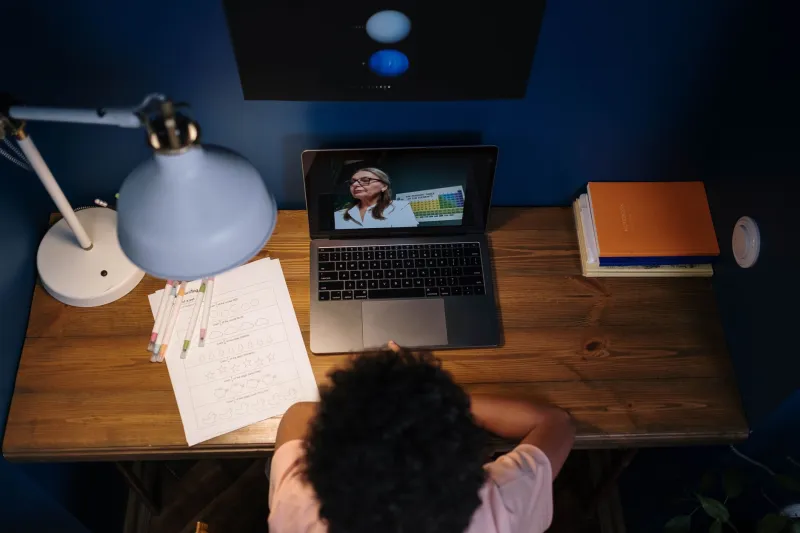
There's a special kind of joy in typing "free math help" into Google and landing on Khan Academy. No credit card. No trial countdown. No email hostage situation. Just you and Sal Khan explaining linear equations on a digital chalkboard.
But here at EdPriceList, we've spent enough time comparing education pricing to know that "free" is rarely the whole story. It's usually the first chapter.
The Three Flavors of 'Free'
When we audited the most popular free learning resources in the US, we found that they all monetize in one of three ways — and each one has a different cost profile:
1. The Premium Upsell. Duolingo is the poster child here. The core app is free forever, but Super Duolingo (around $7–13/month depending on your plan) removes ads, unlocks unlimited hearts, and adds features like personalized practice. If you've ever run out of hearts mid-lesson and been offered a "free trial" of Super, you've felt this model at work.
2. The Certification Toll. The learning is free; the proof you learned it is not. Khan Academy won't charge you a dime to master AP Calculus, but if you want formal credentialing for a subject, you'll likely end up paying for the actual AP exam (~$99 through College Board) or a third-party certificate elsewhere. Coursera and edX run the same play: audit the course for nothing, pay $49–$99 if you want the certificate employers can actually see.
3. The Time-and-Attention Tax. Ad-supported platforms and libraries don't charge money — they charge patience. YouTube tutorials are free, but you'll sit through pre-roll ads, sponsored segments, and the occasional 90-second intro before anyone explains what a derivative is.
None of this makes these resources a scam. It just means the price tag has three columns instead of one.
The Library: America's Most Underrated Freebie
Let's give some flowers to public libraries, because they're quietly the best deal in American education. A free library card typically unlocks:
- LinkedIn Learning (many systems offer it free — a course that would otherwise cost $30+ per month)
- Ancestry and other paid databases
- Language apps like Mango Languages
- Free tutoring programs, both in-person and virtual
The catch? Most people never ask. A 2023 Gallup survey found the average American visited a library just over 10 times a year, and a big chunk of adults hadn't been in years. If you're paying for a LinkedIn Learning subscription and your library offers it free, you're leaving real money on the table — possibly $240 a year or more.
The hidden fee here is friction: you may need to navigate your library's website, find the portal, and log in through a clunky system. That's annoying. It's also a 15-minute task that saves hundreds of dollars.
When Is the Free Version Actually Enough?
We get this question constantly, so here's the honest framework we use:
Free is enough when:
- You're learning for yourself, not for a résumé. Nobody asks Khan Academy for a transcript.
- You're a self-starter who doesn't need streaks, gamification, or accountability features to stay consistent.
- The subject has a clear external benchmark (like the AP exam or a licensing test) that you can pay for once, directly.
Upgrading is worth it when:
- The ads or usage limits are actively breaking your habit. If five hearts a day on Duolingo means you quit after week two, the $84/year for Super is cheaper than the app that silently deletes itself from your phone.
- You need the credential. A certificate on your LinkedIn profile does carry weight in some hiring pipelines — just verify the specific credential matters in your field before paying for it.
- The paid tier saves you measurable time. Time is a cost too, even if it doesn't show up on a receipt.
The Math, Quickly
Say you're learning Spanish for an upcoming work assignment. Option A: free Duolingo with ads and hearts, 30 minutes a day. Option B: Super Duolingo at ~$84/year. Option C: Mango Languages through your library, free, no ads, no hearts.
If your library offers Mango, that's your answer — it's strictly better than the free tier and identical in price. If it doesn't, the $84 breaks down to about 23 cents a day to remove friction from a habit you're trying to build. That's not a rip-off. That's a vending machine.
The real trap isn't the upgrade. It's paying for three platforms at once and finishing none of them — a problem we've covered before, and one that costs US families real money every single month.
Bottom Line
Free educational resources in the US are genuinely excellent — arguably better than ever. But walk in with open eyes: know what the free tier withholds, check your library card before you pay for anything, and only upgrade when the paid version fixes a problem you actually have. The best price isn't free. It's the lowest price that gets you to your actual goal.